
Marriage
How Many Sessions of Marriage Counselling Are Usually Needed?
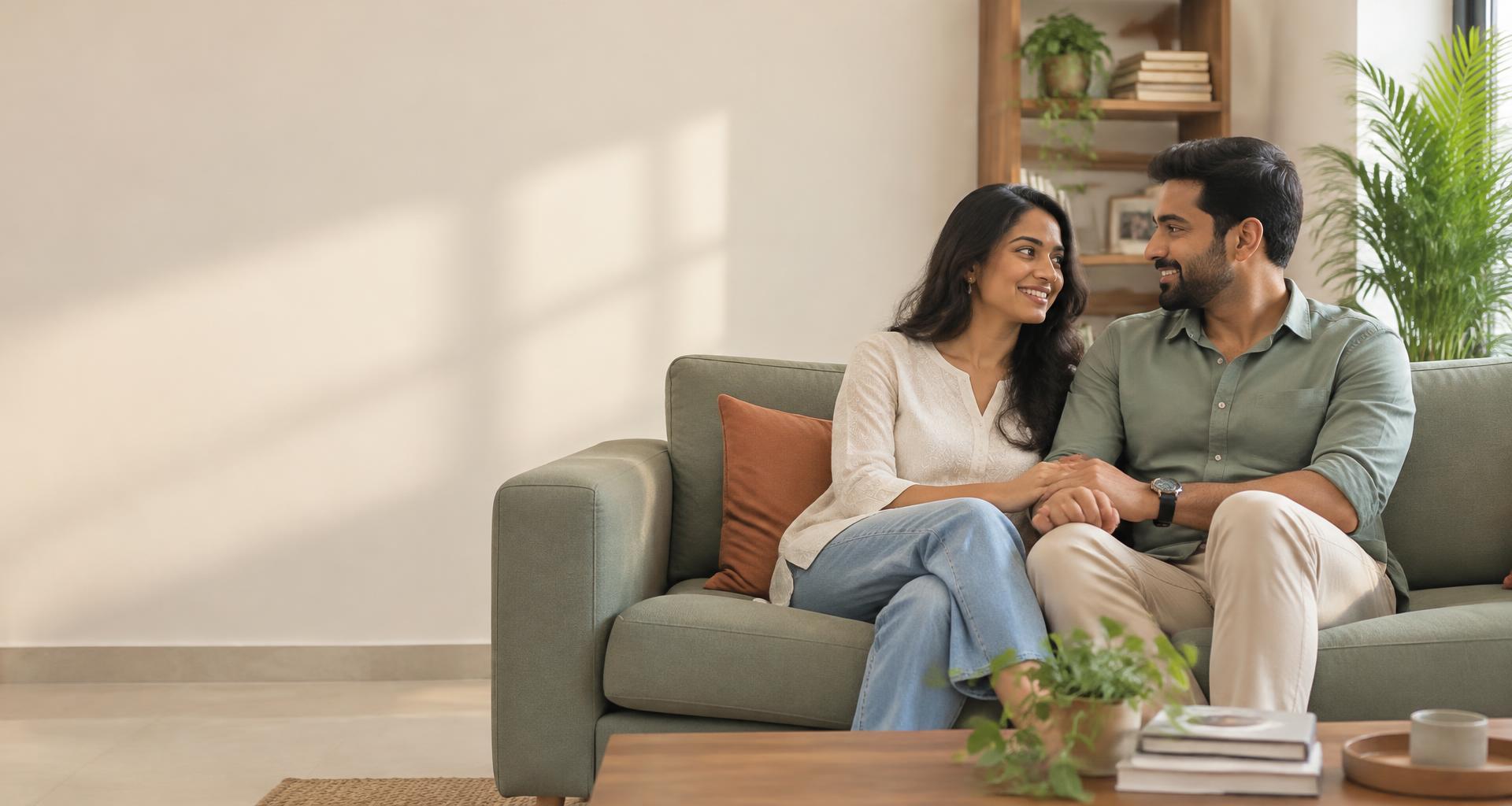
How long does marriage counselling usually take?
The timeline depends on what you want help with, how long the difficulties have been present and whether both partners can take part. A focused concern may need less time than several connected issues, such as recurring arguments, emotional distance and broken trust. Rather than choosing a fixed number in advance, you and your counsellor can agree on goals, meet regularly and review what is changing. It is reasonable to ask about the likely process at the first session.
What affects the number of counselling sessions?
The number of sessions can depend on the complexity of the concern, each partner’s readiness to participate and what happens between sessions. Long-standing patterns may take time to understand and practise changing. Practical factors, including work schedules, travel, finances and online or in-person availability, also matter. Counselling is collaborative: you can tell the counsellor what feels manageable and revisit the pace. Gottman-informed communication tools and attachment-informed conversations may be used, depending on your needs and the counsellor’s approach.
Can one or two sessions solve a marriage problem?
One or two sessions may help you clarify the main issue, hear each other with support and decide on a next step. But lasting change often involves noticing familiar reactions and practising different ways to respond over time. A counsellor should not promise that a particular session count will resolve your concerns. If you have a specific goal, such as improving how you discuss finances, say so early. You can then check whether the sessions are addressing that goal.
How can we tell whether counselling is helping?
Progress does not always mean that disagreements disappear. You might notice that arguments become less hurtful, you recover sooner after conflict, or each partner feels more able to speak and listen. You can also track whether you are using agreed communication skills at home. Ask your counsellor for a review after a few meetings: What has shifted? What remains difficult? Do the goals or approach need adjusting? If you feel stuck or unsafe, raise that directly rather than assuming you must continue unchanged.
What can we reflect on before starting marriage counselling?
A brief self-check can help you explain what you hope counselling will address. Each partner can answer these questions privately first, then choose what feels comfortable to share. Try to describe specific situations rather than labelling either person as the problem. You do not need to agree on every answer before booking a session.
- What is the main concern that brings us to counselling now?
- When does this concern tend to arise?
- What do I feel, need or fear in those moments?
- What have we already tried, and what happened?
- What would a small, observable improvement look like?
- What am I willing to practise between sessions?
When should we get professional help?
Consider counselling when the same conflict keeps returning, conversations end in blame or silence, trust has been affected, or you are unsure whether to stay together. You can start alone if your partner is not ready; an individual session can help you explore your concerns and options without deciding for your partner. Urban Counsellor offers a free 15-minute first call to discuss whether counselling may suit you. If there is immediate danger or a mental health emergency, contact 112 or Tele-MANAS at 14416 instead; counselling is not an emergency service.
Need more personal support? Learn about our marriage counselling service.
People also ask
Not for emergencies. If you are in crisis, please contact a local helpline such as Tele-MANAS (14416) or emergency services (112).